

A few years back, the FysMed clinic stood out by offering crucial support to individuals grappling with chronic pain, obesity, and lifestyle-related issues. For far too long, these patient groups have been marginalized, left without adequate options in our healthcare system. It was disheartening to learn from Helse Midt-Norge that the services once provided by FysMed were effectively passed to other providers and that their contract was terminated. Notably, the closure of obesity and lifestyle services went unaddressed in their communication.
Helse Midt-Norge reassured the public that St. Olav’s Hospital had taken over these services, a claim met with skepticism. Critics highlighted a significant disconnect: the assertion of a seamless transition was misleading. Throughout its tenure, the FysMed clinic referred approximately 2,000 patients annually, offering comprehensive interdisciplinary assessments followed by tailored treatment and rehabilitation plans after a 6–8 week wait.
The crux of the issue with these often-vulnerable patients, who bear complex health challenges, is the vital need for continuity and consistent professional support through examinations and treatments. It is concerning that a tender’s duration, particularly one demanding rigorous professional development, should only span two years. This raises questions about the commitment to a sustainable, knowledge-based interdisciplinary health service.
The FysMed clinic was established as a public outpatient service under a Labor Party administration in 2001, championed by then-Health Minister Tore Tønne. However, its contract was subsequently lost when a more conservative government prioritized different health initiatives.
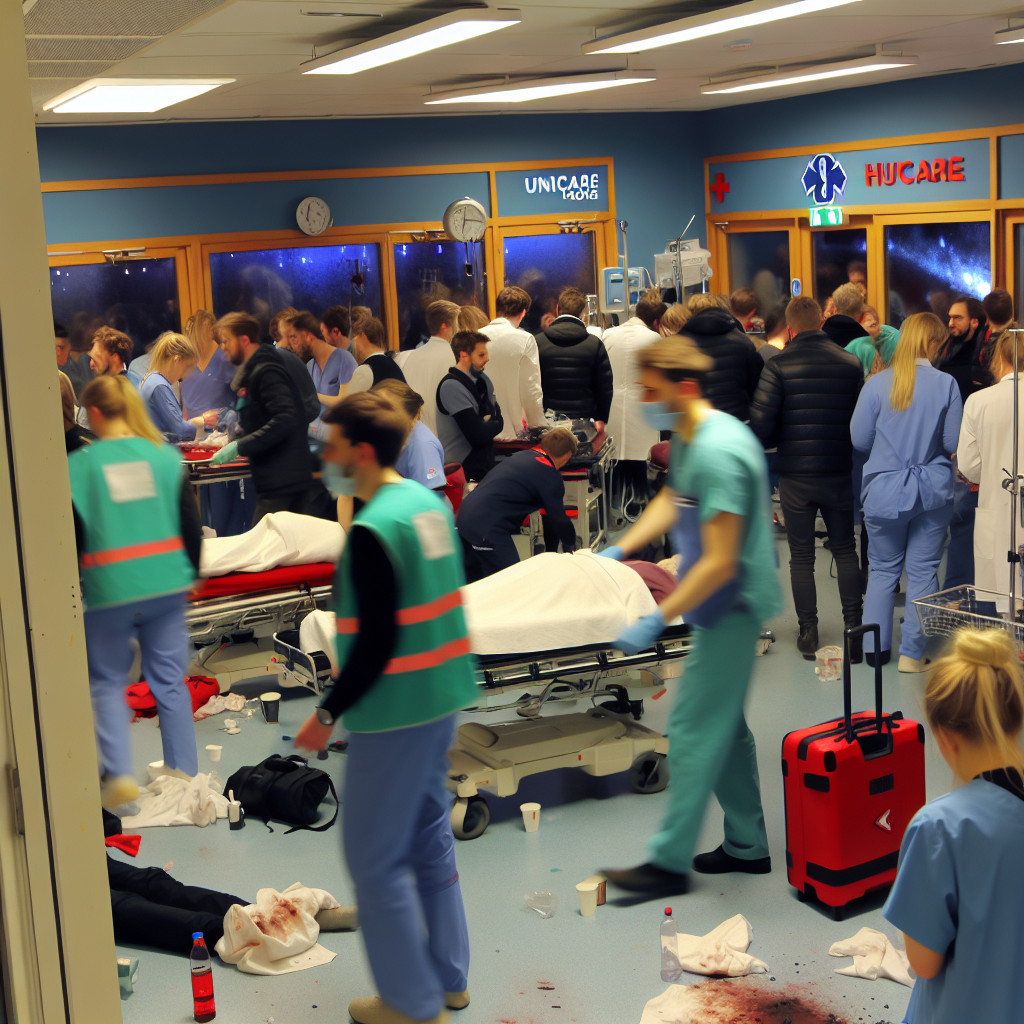
Now, with a Labor Party government back in power, attention has shifted to Unicare, where many patients are suddenly losing access to effective care.
Unicare’s health center in Rissa faces potential closure, and the cancer rehabilitation program in Røros is set to be relocated. In a dramatic turn of events, Unicare has announced its intent to take legal action against Helse Midt-Norge, garnering widespread support. This situation centers around the appropriate allocation of public health funds; the lack of contract renewal for Unicare Helsefort in Hasselvika — which employs around 70 staff — is seen as unjustifiable. At Unicare Helsefort, a holistic approach is taken in rehabilitation, employing cognitive behavioral therapy alongside physical training, and fostering strong ties with other health and social services.
Further compounding the crisis, Unicare’s locations in Trondheim and Levanger have received contracts so limited they threaten operational viability. The Røros facility, responsible for heart, lung, and cancer rehabilitation, is being assigned drastically reduced treatment volumes.
How can Helse Midt-Norge alter the terms of a service tender midway through the process? They must clarify the quality and duration of services they deem necessary moving forward, and yet, no explanation has been offered regarding how they weigh quality against cost. It is troubling to consider a tender process dragging on for 470 days without resolution.
In the ongoing fallout, it’s evident that the most affected are the patients who rely on these vital services. Their needs must be at the forefront of policy decisions.