

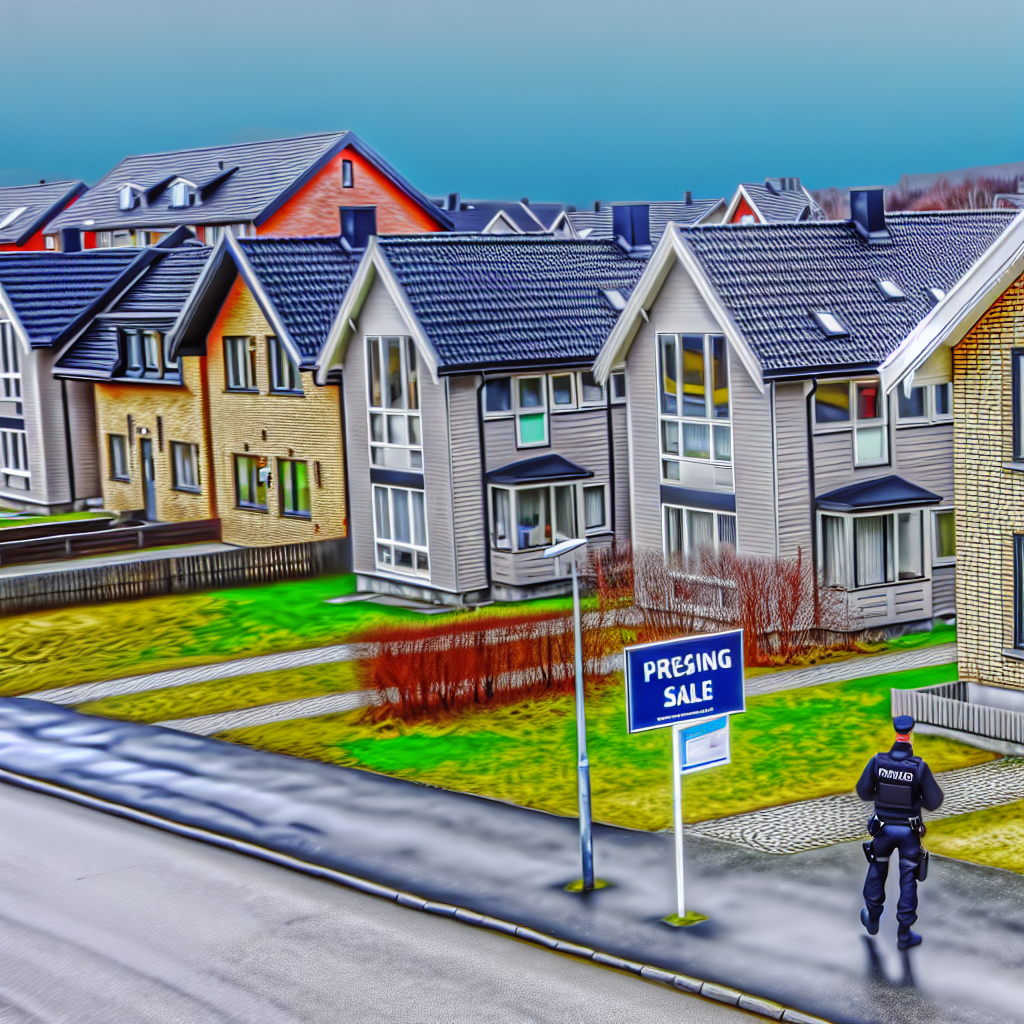
HeimTV recently featured insights from Lauridsen, who observed a significant uptick in suspicious activities within Norway’s property market.
“Each year, approximately NOK 700 billion changes hands in real estate across the country,” he noted. “This substantial financial flow naturally attracts criminal elements, making the sector ripe for illicit activities.”
Lauridsen emphasized that existing registries and systems fall short in addressing the complexities of modern crime. He remarked, “The landscape has evolved, with organized crime becoming more sophisticated. Today, we see numerous professional advisors, including lawyers and auditors, facilitating these unlawful activities.”
The statistics tell a troubling story. In 2024 alone, nearly 3,000 suspicious cases were reported to Økokrim, translating to about 12 to 15 cases every working day. Lauridsen believes this alarming trend reflects a sharp rise, with reported cases nearly tripling over the past five years.
The Risks of Property Transactions
“It is far from amusing to purchase a property only to discover you’re inadvertently involved in a criminal enterprise,” Lauridsen cautioned. “It’s essential to remain vigilant. If a property has undergone renovations, it’s crucial to verify that these improvements were conducted properly and by licensed professionals. Was there a receipt for the work done?”
He further explained that real estate agents play a vital role akin to investigators, as they are mandated to report any irregularities. “A significant part of their job is to ascertain the true identities of both buyers and sellers, scrutinizing the transaction for any potential signs of wrongdoing.”
Money Laundering: A Growing Concern
Money laundering stands out as a prominent concern in these discussions. Lauridsen detailed a stark scenario: “Imagine having NOK 40 million derived from criminal activities; such funds can easily be funneled into real estate. Properties may be resold shortly afterward for inflated amounts. In between, unreported labor can enhance the property’s value, effectively laundering the sale price.”
Lax Regulatory Oversight
Lauridsen raised alarms over inadequate regulatory oversight, highlighting that current registries fail to reveal the individuals behind property transactions, both in land registries and among limited companies. “The issue lies not just in identifying the shareholders of a company but in uncovering the hidden owners who often live in tax havens. Tracing ownership may involve navigating through multiple layers of corporate entities, a task that can be exceptionally challenging.”
Addressing Foreign Investment Concerns
Calls for stricter regulations have intensified, particularly concerning foreign investments—especially from Russian oligarchs under sanctions. “We’ve encountered requests to prevent individuals on these lists from engaging in property transactions in Norway. To effectively manage this issue, we require more robust systems to detect such activities,” Lauridsen asserted.
While it remains legal for entities from adversary nations to buy and sell property in Norway, Lauridsen anticipates that the Storting, Norway’s parliament, will introduce more stringent laws. “For instance, it has come to our attention that Russians have acquired properties near vital military installations, including a church with a panoramic view near a Marine base in Bergen,” he explained. “Such transactions raise pressing security questions, particularly as information regarding foreign land acquisitions around Norwegian military bases remains scarce.”
Advocating for Better Transparency
Lauridsen outlines three urgent reforms needed to bolster oversight in property transactions:
-
Improving the Register of Rights Holders: A more comprehensive land registration obligation is vital, enabling transparency regarding property ownership without imposing additional burdens on those paying document fees.
-
Enhancing Communication with Banks: Currently, banks in Norway are unable to disclose the identities of individuals who manage accounts involved in real estate transactions.
-
Access to the National Register: Greater accessibility to records will help unveil the true identities behind transactions, ensuring that due diligence can be conducted effectively.
As discussions around these issues gain traction, the importance of a transparent and accountable real estate market becomes ever clearer.