Photo: Ram Gupta
The recent announcement from the government regarding stricter immigration policies prompts a critical inquiry: Are there genuine challenges in our immigration landscape that warrant attention, or is this a reaction to the escalating rhetoric from far-right factions?
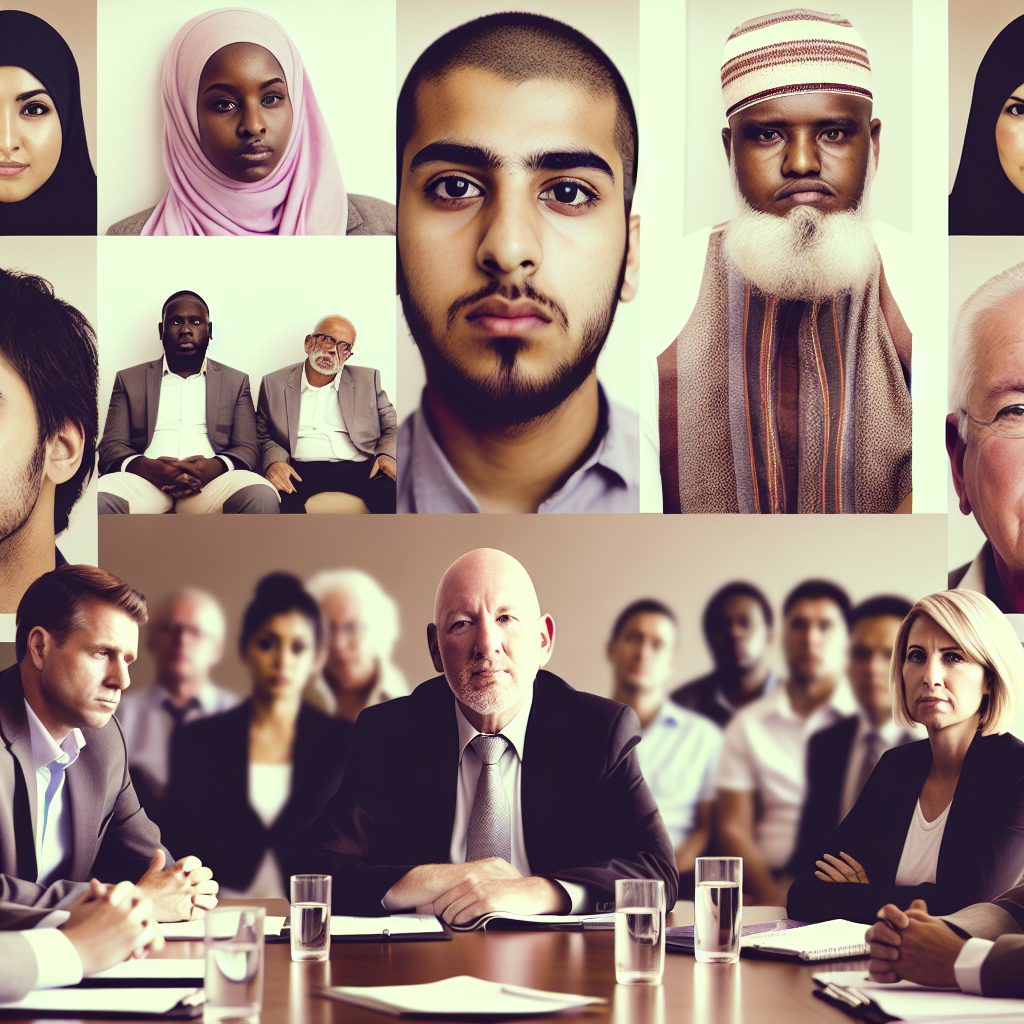
In the world of alternative media and social platforms, a concerted effort is underway to instill fear among the populace. The prevailing narrative asserts that Norway is being “overrun” by Muslims and individuals of diverse ethnic backgrounds, painting a bleak picture of a society on the verge of displacement. While this rhetoric resonates with some, it lacks a firm basis in reality.
Historically Low Quota Refugee Numbers
Currently, Norway is accepting a historically low number of quota refugees. The government’s proposal for 2026 suggests reducing this figure to a mere 100 individuals, the lowest in history, citing the influx of Ukrainian refugees as a justification.
In a world rife with conflict and strife, Norway’s contribution to the United Nations refugee system has proven surprisingly modest. It’s crucial to remember that trends in asylum seeking often reflect the ebb and flow of global conflicts.
As war diminishes or ceases, the number of asylum seekers from affected nations similarly declines. Historical examples abound: from the end of civil unrest in Sri Lanka, to the shift in Syrian conflict dynamics, and now the evolving situation regarding Ukraine. Asylum seeking is not a chaotic surge; it is a measured response to global crises.
Asylum immigration is not an uncontrolled flow, but a phenomenon that responds to global crises.
Furthermore, there has been a marked drop in asylum seekers hailing from nations not embroiled in warfare or severe conflict. This challenges the perception that the asylum system is being “exploited” broadly. In reality, applications from peaceful countries tend to represent isolated incidents, rather than a widespread issue.
We Must Not Weaken International Law
It’s essential to recognize that the right to seek asylum transcends mere numbers or domestic political considerations in Norway; it embodies fundamental obligations under international law. The ongoing debate regarding stricter asylum measures has long forced Norway to navigate the delicate balance between maintaining control and upholding international rights. Critics argue that recent austerity measures have compromised the right to asylum and contravened principles established in the UN Refugee Convention—principles to which Norway has pledged its fidelity.
Labor Immigration: Norway’s Own Initiative
Simultaneously, Norway, like many European nations, has fostered relatively open pathways for labor immigration. With a strong demand for skilled workers, regulations now permit individuals with vocational qualifications to relocate to Norway, contingent upon securing a job with standard pay and working conditions.
The outcome is clear: an influx of nurses, IT professionals, and engineers taking up residence in Norway. This influx often includes family members, as stipulated by law. These are not marginalized individuals; they are productive immigrants with marketable skills and a strong connection to the workforce.
Resourceful Immigration – An Economic Asset
These groups exemplify a form of immigration that exerts minimal pressure on the welfare system. Proficient in English, they often cover their education costs and swiftly adapt to both work and social environments. Notably, they begin contributing to the tax base immediately—much like native Norwegians, who have benefited from significant public investment over the years in childcare, education, and health services.
From a socio-economic standpoint, this kind of immigration is undeniably advantageous for Norway. The country gains access to essential expertise without incurring long-term growth expenses. As an aging population looms and labor shortages worsen, these immigrants become vital to Norway’s future.
A Balanced Policy—Yet a Crooked Narrative
Overall, Norway’s immigration policy appears relatively well-balanced and structured. Integration is progressing positively in numerous areas, particularly among those who arrive through employment. Nevertheless, there’s a challenge in political discourse, where fear-driven narratives often overshadow reality.
The increasing visibility of individuals with dark skin in urban landscapes is interpreted by some as an unsettling societal shift. The idea of “population replacement” is gaining traction, despite contrary statistical evidence.
Political Courage or Political Indulgence?
This raises a critical question: Will the government prioritize fact-based policies that align with the long-term needs of society, or will it succumb to the pressures exerted by far-right voices that frame diversity as a fundamental issue?
The immigrants currently arriving in Norway to build lives, work, and contribute to the economy are not a threat; they represent a key part of the solution to future challenges. Both they and the public discourse surrounding them warrant this recognition.