

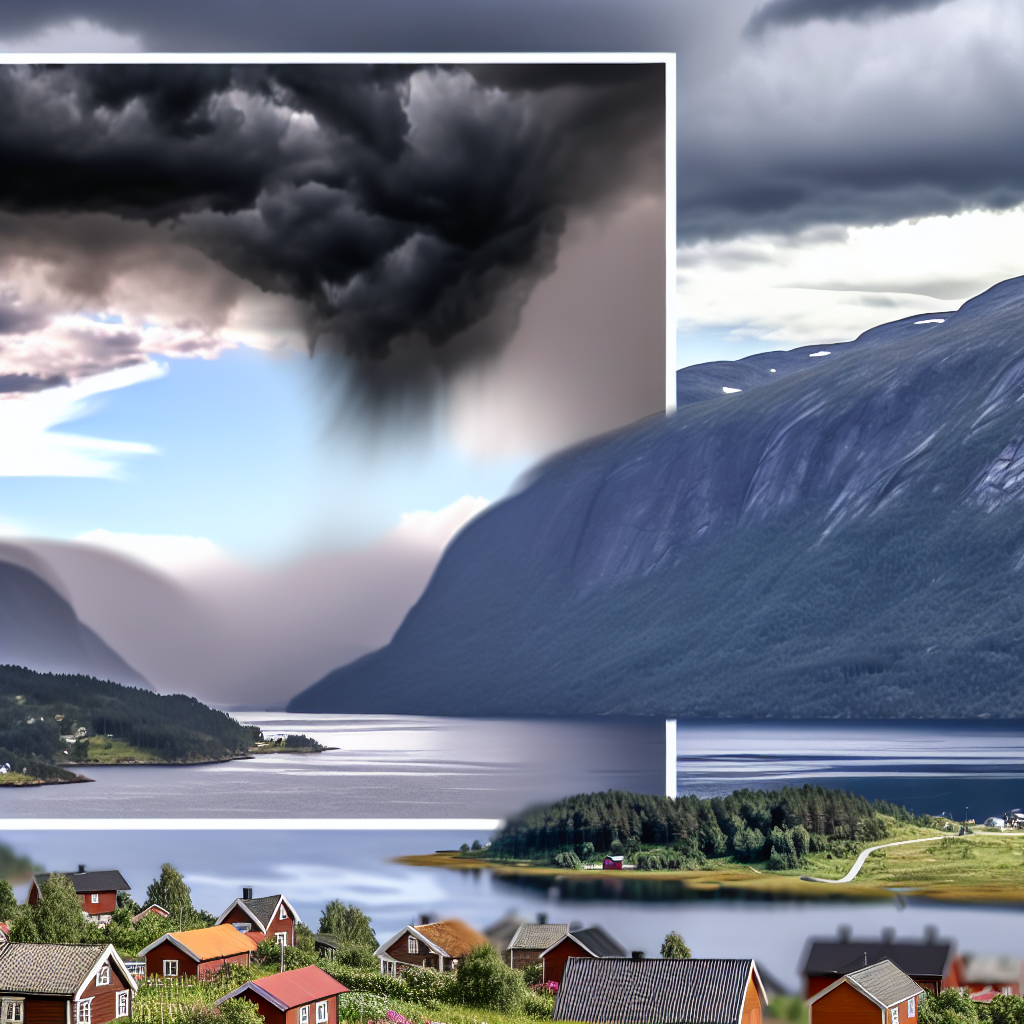
Trump’s Greenland Controversy: A Diplomatic Standoff
In a striking display of international tension, former President Donald Trump has escalated his rhetoric regarding Greenland, warning Norwegian Prime Minister Jonas Gahr Støre of punitive tariffs unless he is granted permission to purchase the territory. This bold claim, announced via Trump’s Truth Social platform over the weekend, has prompted swift and clear pushback from a range of European leaders, from Italy’s right-wing populist Giorgia Meloni to the more centrist Støre.
As European nations collectively reject Trump’s proposals, the political landscape is now marred by an unsettling war of words that threatens to weaken transatlantic alliances. Støre’s attempts at de-escalation—he reached out with a conciliatory text message—were met with resistance, intensifying the already fraught relations.
As tensions simmer, the once robust understanding between America and Europe is at risk. In his message, Trump insinuated that not only will he turn focus away from peace, but he will also prioritize what he deems beneficial for the United States. Not surprisingly, one underlying grievance appears to be Norway’s choice to withhold the Nobel Peace Prize from him.
The stakes are high. Trump’s threats carry weight, and they present a troubling scenario that now reflects a broader shift in US foreign policy under his leadership. “The time has come,” he declared concerning Greenland, underscoring a determination that puts the very essence of international diplomacy into question.
Simultaneously, back in the homeland, Trump is contending with complex legal challenges. The US Supreme Court is poised to determine the legality of his controversial trade policies, including the tariffs he has recently threatened. As public opinion swirls, experts predict a potential loss for Trump, complicating his position further.
The notion of leveraging trade tactics for territorial acquisition is not only unprecedented; it signals an alarming departure from traditional diplomatic norms. Many are rightfully concerned that these actions could set a dangerous precedent in global governance.
While Trump appears intent on coercing Europe into compliance, the question remains: how much longer can traditional alliances withstand such pressures? With protests erupting in response to his claims, including significant demonstrations in Greenland and beyond, the voice of the people may play a pivotal role in shaping the outcome.
Will the international community yield to Trump’s brinkmanship, or will it stand firm against these stark economic threats? As the diplomatic duel unfolds, one thing is evident: the alliances forged in the aftermath of the Second World War face their most substantial test yet.
How many violations can occur before the bonds of friendship are irrevocably severed? In this precarious moment, the world watches, and history may soon bear witness to an extraordinary shift.