
Planning a trip to Norway often leads to one big question: should you rent a car? Here’s what I tell my travel consulting call clients.
At first glance, the answer seems obvious. Norway is known for dramatic landscapes, quiet roads, and the freedom to explore at your own pace. But the reality is more nuanced.
In some situations, renting a car will completely transform your trip. In others, it can be expensive, stressful, and unnecessary. The right choice depends less on Norway itself, and more on how you plan to travel.
When Renting A Car Makes Sense
There are parts of Norway where a car isn’t just helpful, it’s the best option.
If your itinerary includes smaller villages, scenic routes, or lesser-known fjords, a car gives you a level of flexibility that public transport simply cannot match.
You can stop at viewpoints without rushing, take spontaneous detours, and reach places that buses and trains don’t serve at all.
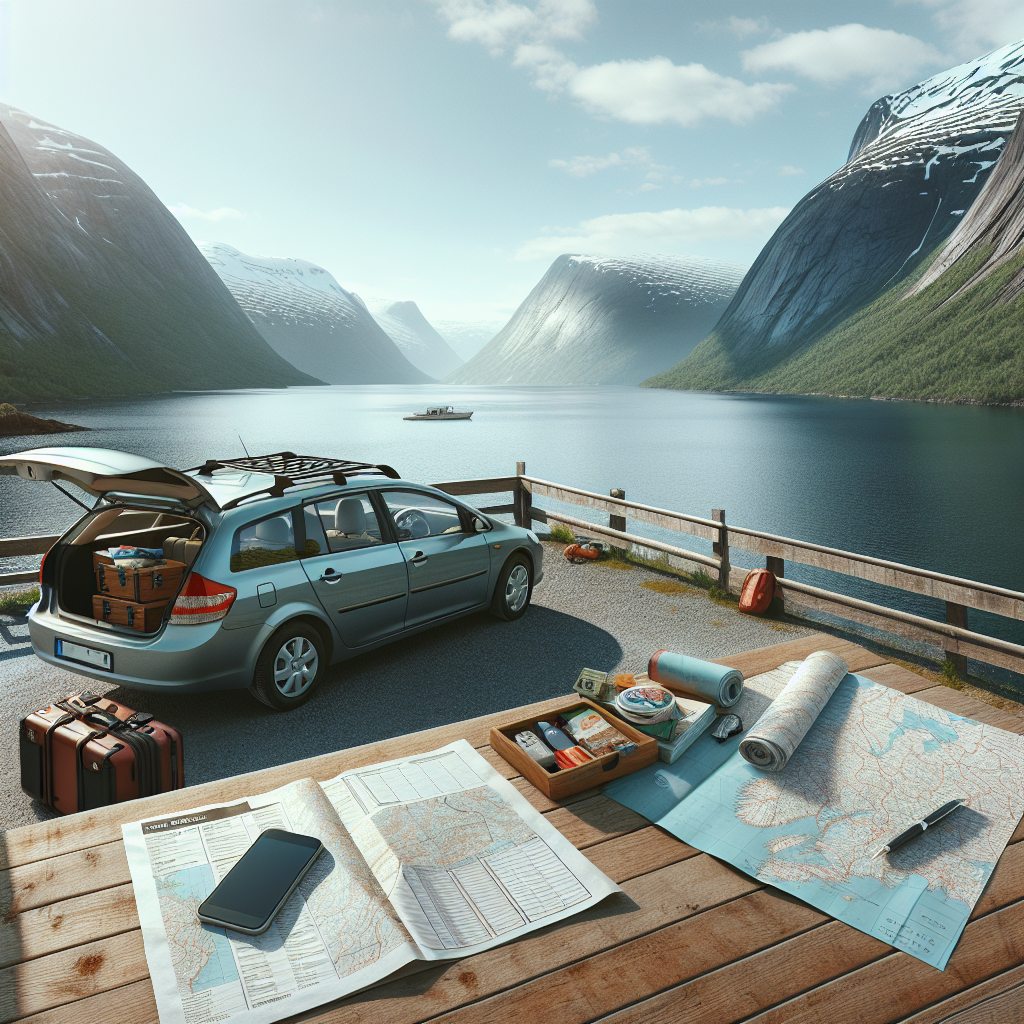
This is especially true in western Norway’s fjord regions, in northern Norway outside the main towns, and in inland valleys and mountain areas. In these parts of the country, having a car turns Norway from a fixed itinerary into something far more open and adaptable.
Time is another factor. Norway is a large country, and distances are often underestimated. Public transport is reliable, but it usually involves connections and fixed departure times.
Car Rental in Norway: Find the best rates and availability for your destination across multiple suppliers with our partners Discover Cars
With a car, you can cover more ground in a shorter period, although that flexibility can sometimes tempt people into trying to do too much.
Accommodation also plays a role. Many of Norway’s most memorable places to stay, from cabins to small boutique hotels, are located well away from train lines and bus routes.
If you’ve booked somewhere remote, a car is often essential rather than optional.
When You Probably Don’t Need A Car
Despite the appeal, there are many situations where renting a car adds more hassle than value.
In cities like Oslo, Bergen, and Trondheim, a car is more of a burden than a benefit. Public transport is efficient and easy to use, while parking is limited and expensive. Add in traffic and unfamiliar road systems, and driving quickly becomes more stressful than convenient.
Even beyond the cities, some of Norway’s most popular travel routes are better experienced without driving.
The journey between Oslo and Bergen is a good example. The train is widely considered one of Europe’s most scenic, and the route connects easily with fjord cruises and other transport options. You’ll often see more, and enjoy it more, by letting someone else do the driving.
Winter changes the calculation again. Norwegian roads are well maintained, and rental cars are properly equipped, but conditions can still be challenging. Snow, ice, strong winds, and limited daylight all add complexity.
If you don’t have experience driving in winter conditions, public transport is usually the safer and more relaxed option.
The Hidden Costs Of Renting A Car
The headline rental price is only part of the story. Driving in Norway comes with a series of additional costs that can catch visitors by surprise.
Car Rental in Norway: Find the best rates and availability for your destination across multiple suppliers with our partners Discover Cars
These typically include:
- Road tolls, which are charged automatically and billed after your trip
- Ferry crossings, particularly in fjord regions where ferries form part of the road network
- Parking fees, especially in cities and popular tourist areas
- Fuel, which is significantly more expensive than in many other countries
Individually, these costs may seem manageable. Combined, they can have a noticeable impact on your budget, especially over longer trips.
Driving In Norway: What To Expect
Driving in Norway is generally safe and straightforward, but it’s not always as quick or easy as it looks on a map.
Speed limits are lower than many visitors expect, often around 80 km/h on rural roads and lower in built-up areas.
Roads in fjord regions tend to follow the natural landscape, which means they can be narrow, winding, and occasionally require patience when meeting oncoming traffic.
Perhaps the biggest adjustment is how long journeys take. A distance that looks short on paper can involve slow roads, ferry crossings, or weather-related delays. Planning realistic travel times is essential, especially if you’re trying to connect with other parts of your itinerary.
A Practical Middle Ground
For many travellers, the best solution isn’t choosing between car and public transport, but combining the two.
A typical approach might involve traveling between major cities by train, then renting a car for a few days to explore a specific region in more detail. Once that part of the trip is complete, the car can be returned before moving on.
This approach avoids the downsides of city driving while still giving you the flexibility to explore more remote areas. It also helps manage costs and reduces the pressure to plan an entire trip around a single mode of transport.
So, Should You Rent A Car?
There isn’t a single answer, but there is a clear way to think about it.
Car Rental in Norway: Find the best rates and availability for your destination across multiple suppliers with our partners Discover Cars
Renting a car works best when your trip is focused on rural areas, scenic routes, or remote accommodation. It gives you freedom, flexibility, and access to places that are otherwise difficult to reach.
It’s less useful when your itinerary centers on cities, well-established travel routes, or winter travel without prior experience.
For many visitors, the most rewarding experience comes from a mix of both. Norway is a country that rewards slow travel, whether that’s behind the wheel or through a train window.
The key is choosing the approach that fits how you actually want to travel, rather than assuming a car is always the best option. I can help you decide whether you need to rent a car for your dream trip on one of my travel consulting calls.