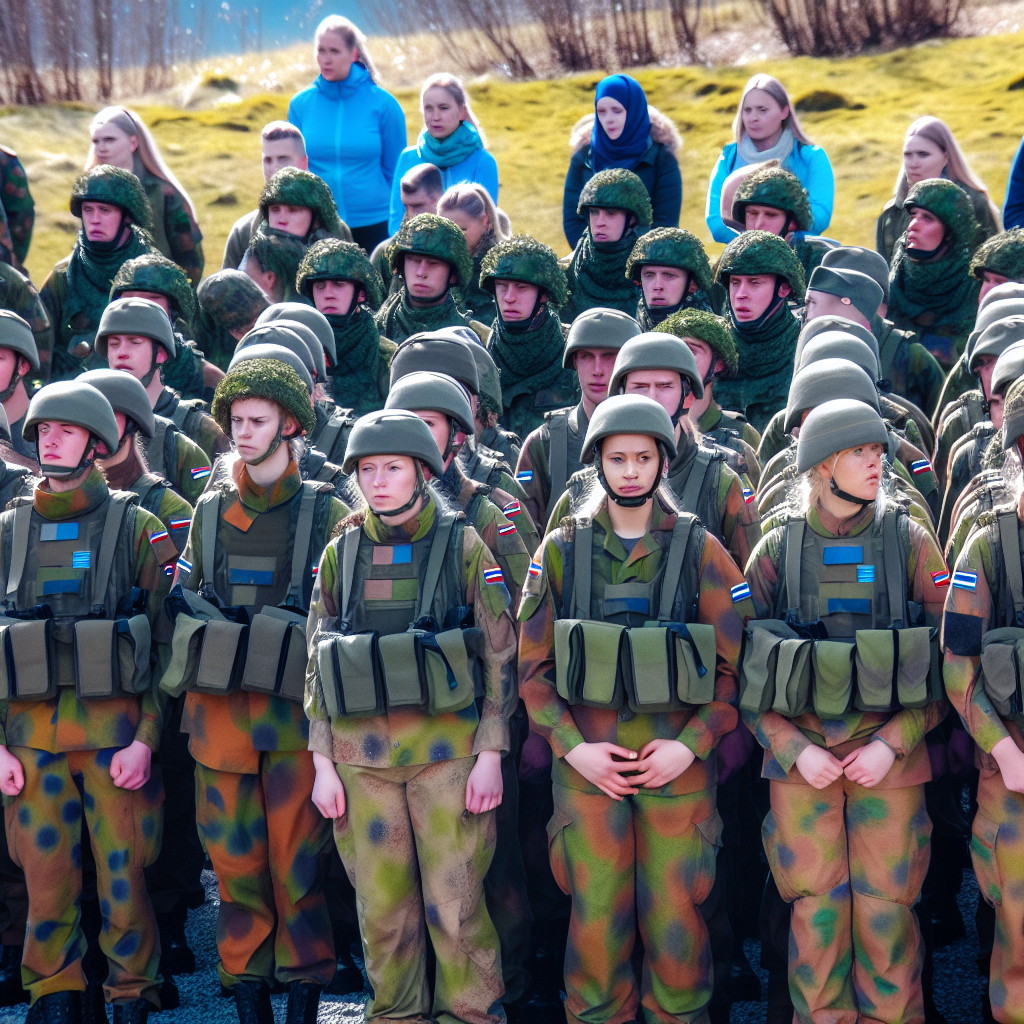
The Storting is not where decisions are made. They unfold in shadowed rooms, behind closed doors, among those who will never take up arms, never tread the fields of conflict, and never bear the weight of the choices they impose. Yet, there are Norwegian soldiers poised to step into the “manger of death.”
As a veteran, I can sense the specter of war looming. I remember the heavy silence that follows. I’m deeply familiar with the system that fails our servicemen and women once the uniform is laid to rest. Seeing Norway once again drawn toward conflict does more than instill fear for our soldiers; it highlights the troubling reality that such decisions are cloaked in secrecy, far removed from the citizens who will ultimately pay the price.
We hear discussions of alliances and obligations, yet the true heart of decision-making remains hidden from the public. Norway, while not an EU member, operates within the frameworks of EU structures where we lack the power to vote. Security policies are developed behind closed doors among elites, bureaucrats, and powerful nations, as is currently happening in Berlin, with the Norwegian populace cast as mere onlookers. Once a decision is reached, it is presented as inevitable—an outcome that was seemingly always predetermined.
This isn’t democracy; it’s governance in the shadows.
We’re often fed fragments of information: press releases and polished statements, while the intricate details are withheld. Mandates are shrouded in secrecy, and agreements are cloaked in vague language. Whenever someone dares to raise questions too loudly, they risk being labeled as irresponsible or disloyal, and criticism is interpreted as a threat, ensuring a culture of silence prevails.
This is the undercurrent that nurtures war.
History paints a clear picture of this dynamic. The decision for Afghanistan emerged in haste, shrouded in misplaced loyalty. The mission quietly ballooned over time, with shifting goals and surging costs. Coffins returned home, lives were shattered, yet no one was held accountable. No one stood in the Storting to declare that mistakes had been made; the system retreated into itself and moved forward.
Now, I detect those same mechanisms at play. The same fog, the same silence, the same automatic compliance with foreign agendas. The stakes are indubitably higher this time; we aren’t dealing with a peripheral conflict, but a war at the very center of Europe that involves nuclear powers. Yet politically, it is trivialized to an administrative matter.
From my vantage as a veteran, I perceive more than just soldiers being sent around the world. I foresee them returning home, grappling with sleepless nights, overwhelming anger, and families in disarray. I can imagine the disconnect among NAV, healthcare, and defense—all embattled entities which have shown an alarming incapacity to support those they dispatch.
Politicians know this reality intimately. Yet, they persist in these decisions, shielded personally from the consequences. They don’t witness the loss of a child, bear the toll of health decline, or endure sleepless nights. Accountability is diluted within committees, councils, and international forums—eluding any individual who might assume responsibility.
How many Norwegian soldiers have already been promised away in these concealed discussions? How many names linger on lists unseen? How many decisions are made before public debate even begins? These questions should instill fear in anyone who values democracy.
Perhaps the gravest danger lies not just in the looming war itself, but in how such conflict becomes normalized. War is often framed as something technical, manageable, and temporary, allowing death to drift into the abstract, reducing soldiers to mere pawns in a geopolitical chess game.
If Norwegian soldiers are deployed to this conflict, it will not reflect the will of the people; it will follow the consensus of an elite few. When those same soldiers later seek assistance, the state will respond with claims of complex regulations, tight budgets, and vague responsibilities.
As a veteran, I refuse to accept this silence. It’s not fear of war that drives me, but a profound understanding of its aftermath. I know, too well, the perils of secrecy and unchecked power, which always lead to disastrous outcomes.
Norwegian lives deserve better than decisions made in darkness.
Dan Viggo Bergtun
Veteran and former trustee for veterans from various nations. Former president and UN ambassador of The World Veterans Federation (WVF). Now an honorary member of WVF. Bergtun possesses an insider’s knowledge of the UN system, gained through years of international cooperation and service in UN operations in the Middle East. Since 1978, he has worked tirelessly for veterans’ rights and peace among nations.