

Certainly! Here’s a refined version of the post, crafted to reflect a professional journalistic tone.
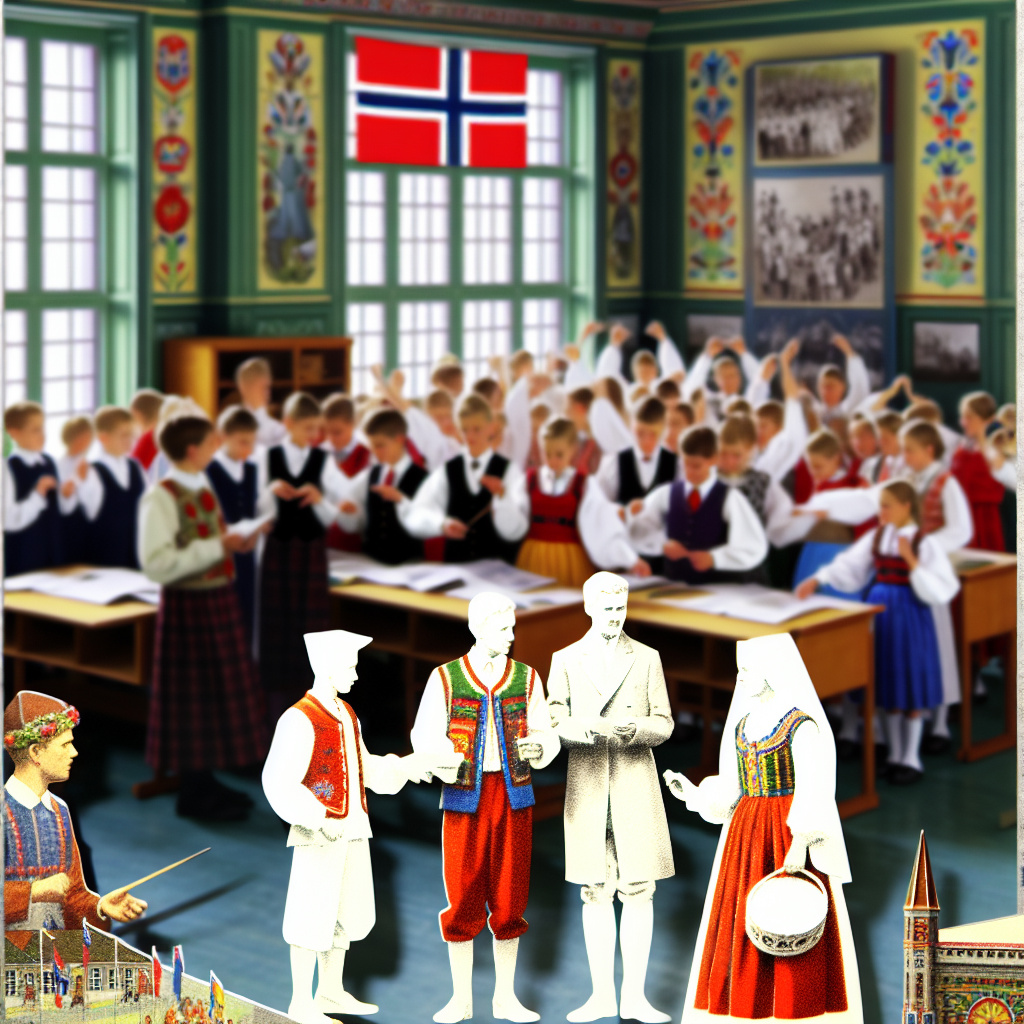
As the holiday season approaches, the annual debate resurfaces: should the school Christmas service be discontinued? This year, the conversation was reignited by Frank Rossavik, who penned a thought-provoking piece in Aftenposten, asserting that this longstanding tradition appears out of step in a multicultural Norway where humanists, atheists, and immigrants also seek inclusion.
Yet, one must ponder: does this call for eradication stem from a genuine desire for inclusion, or is it indicative of a broader trend where Norwegian culture is gradually expected to diminish, appease, or, in some extreme cases, vanish altogether to avoid offending anyone?
This raises a fundamental question about the nature of inclusion itself.
Rossavik argues that Norway has undergone a de-Christianization, suggesting that abolishing the Christmas service would be a logical step. However, this sentiment seems to overlook an essential truth: one does not have to hold religious beliefs to appreciate traditions that are steeped in religious origins. The Christmas holiday exemplifies this beautifully, as does Easter.
While most people don’t congregate on a mountaintop singing hymns during Easter, they still celebrate the holiday’s essence with fervor.
Norway was never intended to be a faith-neutral state. Our values, holidays, language, and traditions are undeniably influenced by Christianity. Each December, this becomes evident as churches fill on Christmas Eve with those who may not frequent services throughout the year. Their attendance often springs not from obligation but from a sense of tradition that holds significant meaning.
When something resonates with so many, it seems misguided to discontinue it simply because a minority finds the symbolism troubling. A multicultural society does not necessitate the majority erasing its cultural heritage.
In his article, Rossavik cites a Muslim mother who expresses feeling excluded by the school service—a compelling assertion, as he implies. Yet, this sense of exclusion does not occur within the church walls; it stems from a personal choice to keep her children away from an event that celebrates Norwegian culture. The event itself is optional, with alternatives readily available.
If individuals choose not to partake, shouldn’t they also recognize that it’s unreasonable to expect others to forego their traditions? It creates a peculiar perspective: “I dislike this, so no one else should enjoy it.”
Such a stance leads us to a self-imposed dilemma—a critique of Norwegian culture stemming from decisions made by individuals themselves. If one opts out of adaptation, can they rightfully voice complaints about the existing culture?
It is undeniable that Norway has become more diverse. However, a diverse society does not equate to a society devoid of a majority culture. Nor should it imply that traditions must be sacrificed to quell every differing worldview that has emerged in recent years.
If I were to venture a guess, most Norwegians cherish the tradition of Christmas services in schools. The ambiance on the final school day before the break—lit by candles and filled with the festive spirit—evokes nostalgia, as parents and grandparents recall their own childhood experiences.
This tradition is woven into the fabric of December and the essence of Norway.
To assert that these services amount to a harmful indoctrination or an effort to alienate non-Christian immigrants is simply unfounded. Schools that guide students to church during this season do not act as missionaries; they are stewards of culture, fulfilling an obligation to pass on the rich heritage of this nation.
If we begin dismantling traditions to accommodate those who feel disconnected from them, where does it end? Should we also eliminate beloved Christmas carols, trees, or even refrain from singing “I’m so happy every Christmas Eve” due to its Christian themes?
Why stop there? Easter celebrations could fall under scrutiny, as could long-standing holidays such as Ascension Day or Pentecost. This approach is a precarious path that does not lead to tolerance but risks the very fabric of our cultural identity.
A nation that fails to protect its traditions inevitably weakens, losing a vital aspect of its identity along the way. Many who come to our shores wish to grasp the essence of Norway, and one does not achieve that in a land that shies away from its cultural roots. A robust majority culture can foster a more stable society for everyone, including minorities.
As we navigate these discussions, we must remember that it is neither necessary nor wise to dismantle Norwegian traditions or dilute our rich cultural history simply to foster a sense of inclusion for all.
Wishing you all a peaceful Christmas season ahead!