
The troubling news is not just looming over the Kremlin; it’s becoming increasingly palpable for the Russian public.
Steve Rosenberg, the BBC’s Russia correspondent, has been examining reports in Russian newspapers this week. Despite the Kremlin’s tight grip on the media narrative, alarming news about the nation’s economic crisis is beginning to filter through to the populace.
Among the concerns highlighted is a significant rise in tax debt. “Tax debts refer to unpaid taxes and fees owed to the state,” explains Julie Udal, a researcher at the Norwegian Institute of Defense Studies, in conversation with Nettavisen.
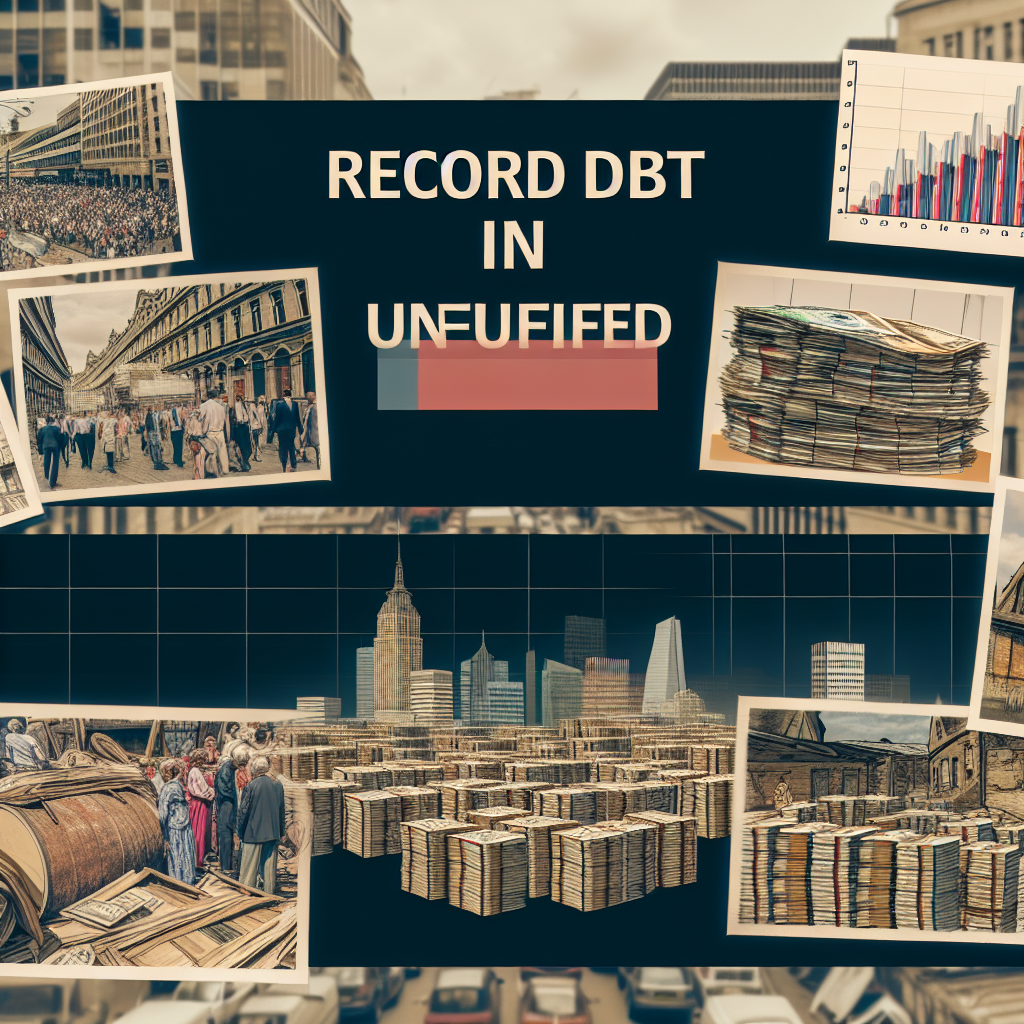
Udal has kept a close watch on the trajectory of Russia’s economy in recent years. The state-controlled newspaper, Izvestija, reports a staggering 20 percent increase in tax debt for 2025, now totaling a record 3.3 trillion rubles. In response, the authorities are ramping up collection efforts through stricter regulations and automated systems.
To put this figure into perspective, 3.3 trillion rubles equates to approximately 420 billion Norwegian kroner.
Enormous Deficit: A Crisis Reflection
In a sobering parallel, Russia is also facing an unprecedented budget deficit. Essentially, this indicates that government spending is surpassing its income. Udal notes, “When adjusted for inflation, the current deficit mirrors levels seen during crisis years—2016, following a plunge in oil prices, and 2020, due to the pandemic. And it stands to worsen.” The primary culprits fueling this crisis are plummeting oil revenues coupled with soaring defense expenditures.
Desperate to shore up its finances, Russian authorities are exploring revenue sources beyond the vital oil and gas sector. Udal elaborates, “In addition to tightening tax collection, the government is raising various taxes and fees. The most significant change is the hike in the value-added tax (VAT) from 20 to 22 percent, effective January 1, 2026, with more small businesses set to fall under this regime. According to the Ministry of Finance, these measures aim to bolster ‘defense and security’ funding.”
Increased Bankruptcy Risk
The surge in debt is creating a precarious situation for many Russians, as it raises the specter of bankruptcies and potential banking crises. “The next steps we can anticipate include the freezing of bank accounts and business closures, leading to a wave of bankruptcies,” warns Moskovskij Komsomolets.
Currently, a staggering two-thirds of corporate debt is held by companies already struggling to meet their obligations. With rising interest rates, the risk of default looms large, particularly for small and medium-sized enterprises. Udal highlights that the Central Bank is actively devising measures to bolster the banking sector and mitigate risks, while access to loans for private businesses and citizens is likely to shrink as state funding prioritizes defense projects.
Rising Alcohol Prices Amid Crisis
The economic strains are also visibly affecting consumer markets. Reports indicate that the price of alcohol in Russian stores is set to rise, with vodka producers anticipating an average increase of 15-17 percent beginning next year due to escalating taxes and production costs. The World Health Organization ranks Russia among the highest in global alcohol consumption per capita.
Udal notes, “The hike in vodka prices can primarily be attributed to increased excise duties. This aligns with the broader pattern of tax hikes imposed by authorities to fund the ongoing war in Ukraine, forcing both citizens and businesses to shoulder a heavier financial burden.”
Negotiation Challenges and Rising Discontent
As discussions surrounding a potential peace agreement between Russia and Ukraine drag on, both nations’ populations express a growing desire for resolution. Nevertheless, the conditions set forth by each side remain largely incompatible, complicating the diplomatic landscape.
Despite claims that “90 percent of the issues concerning Russia and Ukraine have been resolved,” as relayed by a U.S. negotiation source to Reuters, Russian state newspapers are striving to undermine these peace talks, dismissing them as “diplomatic games from Kyiv designed to bide time,” according to Rossijskja Gazeta.
Amidst all this, dissatisfaction is escalating among the Russian populace. Many individuals are increasingly aware of rising prices and the protracted nature of the war. “This is not entirely unexpected. What was initially framed as a temporary operation has evolved into a full-fledged conflict. The Russian public will undoubtedly feel the repercussions,” remarks Sven Holtsmark, noting that while public support for Putin and his regime appears strong, it remains fragile in the face of mounting hardships.
Ultimately, Holtsmark suggests, “What may catalyze a shift in negotiations is if the war deteriorates to a point where it can no longer be concealed by state media. Only then might Putin be pressured into meaningful peace talks, leading to genuine security assurances for Ukraine.”