

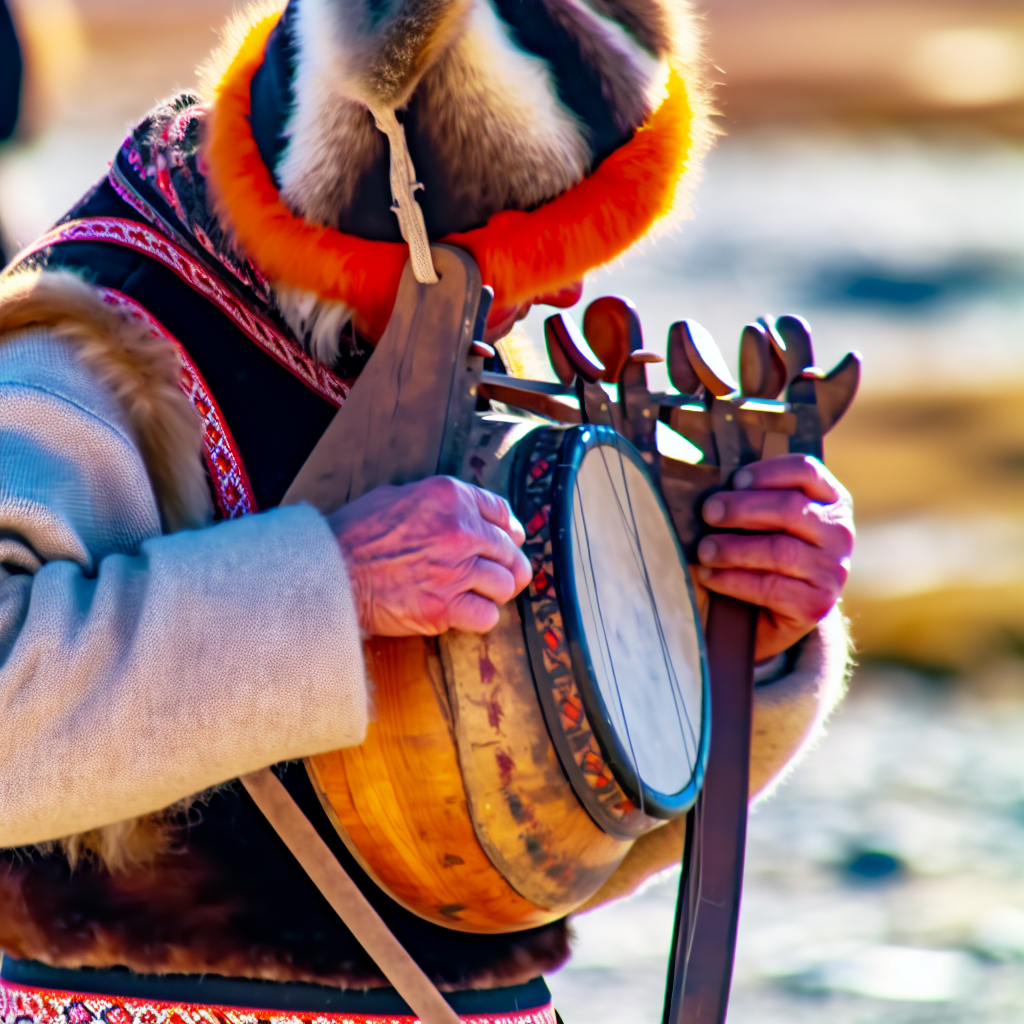
A Cultural Renaissance: Sami Art and Music Take Center Stage
In 2020, I penned an article for Nordnorsk Debate highlighting what seemed to be a breakthrough moment for Sami art and music. Fast forward to today, and that breakthrough is now a vibrant reality. Yet, a pressing question remains: has our cultural policy kept pace with this transformation?
Sami art and culture have firmly established themselves on the global stage, evident in the recent showcase of works by Marit Anne Sara at prestigious institutions like the Tate. This evolution signals a profound shift; it’s no longer merely about representation—it’s about genuine artistic significance. Similarly, as Sami narratives gain traction in popular media, illustrated by series like Heajasdallan on NRK, we witness a pivotal moment: these stories no longer require extensive explanation for them to resonate with audiences.
This isn’t just a collection of isolated success stories. Rather, it reflects a wider, more profound development that is deeply rooted in Northern Norway.
For too long, the northern regions have been relegated to the status of a cultural periphery, with their art and music often dismissed as mere regional quirks. However, the current scene challenges this outdated notion. Sami art and music have emerged as defining features of contemporary Norwegian culture, characterized by their linguistic richness and uncompromising creativity.
Yet, as chair of the Sami Artists’ Council, I perceive a significant gap between this flourishing artistic landscape and the cultural policies designed to support it. Artistic visibility does not automatically equate to institutional sustainability. Unfortunately, the funding, structural support, and long-term developmental efforts remain inadequate, particularly in the northern regions.
Artistry does not spring forth fully formed but is cultivated over time through access to venues, professional networks, and collaborative spaces. As a festival manager for Sami Music Week, I’ve witnessed firsthand how these elements work in practice. Many Sami artists—forging their paths in a landscape with little audience or market—began without much but the promise of growth.
These essential spaces must be nurtured by effective cultural policy. The recent resurgence of Sami art and music is not a fleeting trend driven by sporadic funding or chance. It is the culmination of many years of dedicated work in Northern Norway, often pursued with limited resources and unwavering determination. To ensure this momentum is sustainable, we must adopt a policy that recognizes the region as not just a source of content, but as a thriving cultural hub.
Northern Norway is not a periphery; it stands as a vital center of artistic innovation, and that reality demands our attention and commitment.