

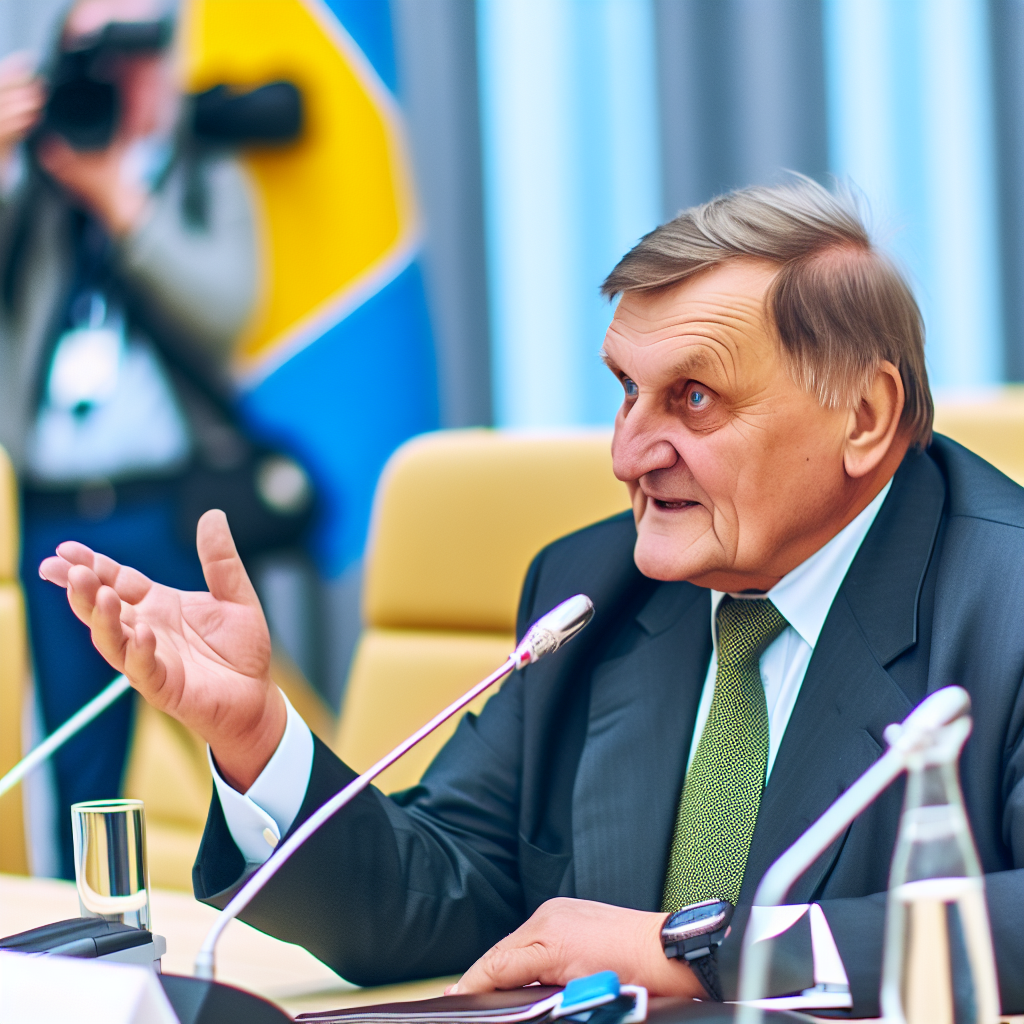
Norway’s New Direction: A Shift Towards an Adaptable Plan for Governance
In a significant policy pivot, Prime Minister Jonas Gahr Støre announced that the traditional government platform will be replaced with an annually updated initiative dubbed the “Plan for Norway.” This new direction promises to enhance the government’s adaptability to swiftly changing global dynamics.
Unveiling the plan, Støre emphasized its five main goals, which include ensuring financial security and improving preparedness across various sectors. The Prime Minister also committed to adopting a firmer approach to combatting crime while bolstering national security.
“For over two decades, Norway has followed a tradition of establishing a government platform, a document that serves as a benchmark for accountability,” Støre noted. “However, in a world that evolves rapidly, there is a pressing need for our government to be equally agile. Our new Plan for Norway will outline our most critical priorities over the next few years, moving away from a rigid framework filled with individual cases.”
The Prime Minister highlighted that the plan will embody clear initiatives, echoing promises made during the Labor Party’s election campaign, aimed at securing a safer future for Norwegians.
In a conversation about the flexibility of this new approach, Støre stated, “Certainly, we plan to reassess this document each year to ensure it remains relevant. The dynamics of global developments warrant periodic adjustments to our goals.”
The “Plan for Norway” encompasses several key themes:
- Economic Security: Ensuring robust financial advice and resources for citizens.
- Employment and Business Support: Fostering a thriving work environment.
- Youth Engagement: Prioritizing the needs of children and young people.
- Health Security: Strengthening the health infrastructure.
- National Safety: Addressing the overarching theme of security which Støre outlined in more detail.
Certainly, the chapter on “National Security” includes broad objectives without being bogged down by too many specific measures. “We must define wide-ranging goals while laying a solid groundwork in partnership with the Storting,” he added.
Among the noteworthy plans within the realm of national security are:
- A rejuvenation of Norway’s military capabilities, aligning with NATO commitments to allocate five percent of GDP towards defense and security by 2035.
- Developing a robust civil preparedness strategy alongside local communities and businesses to fortify critical infrastructure.
- Increased focus on counteracting complex threats while promoting a transparent public discourse that safeguards academic and journalistic freedoms.
Støre underscored that Norway currently faces one of the gravest security challenges since World War II. “Thus, we must reinforce our military capacity, improve societal preparedness, and ensure economic security,” he asserted.
As for fighting crime, Støre expressed a determination to enhance police efficiency. “We’re committed to empowering law enforcement to preemptively tackle crime and ensure that those who commit offenses face consequences swiftly,” he affirmed, highlighting a non-tolerant approach towards those who breach the law, particularly foreign nationals with criminal records.
In the face of challenges, including an aging population in the north, Støre reiterated the government’s commitment to making northern Norway an attractive area for settlement. Initiatives such as tax incentives, reduced flight costs, and enhanced defense investments aim to entice both Norwegians and newcomers to the region.
With strengthening its defense and justice initiatives, Norway appears to be navigating a complex landscape with a vision that is both practical and aspirational. Støre’s plan marks a decisive step towards a future that balances flexibility with responsibility, as the government prepares to face the multifaceted challenges of an ever-evolving global order.