

Published on July 16, 2026
City: Kritika Shah
Image generated with Ai
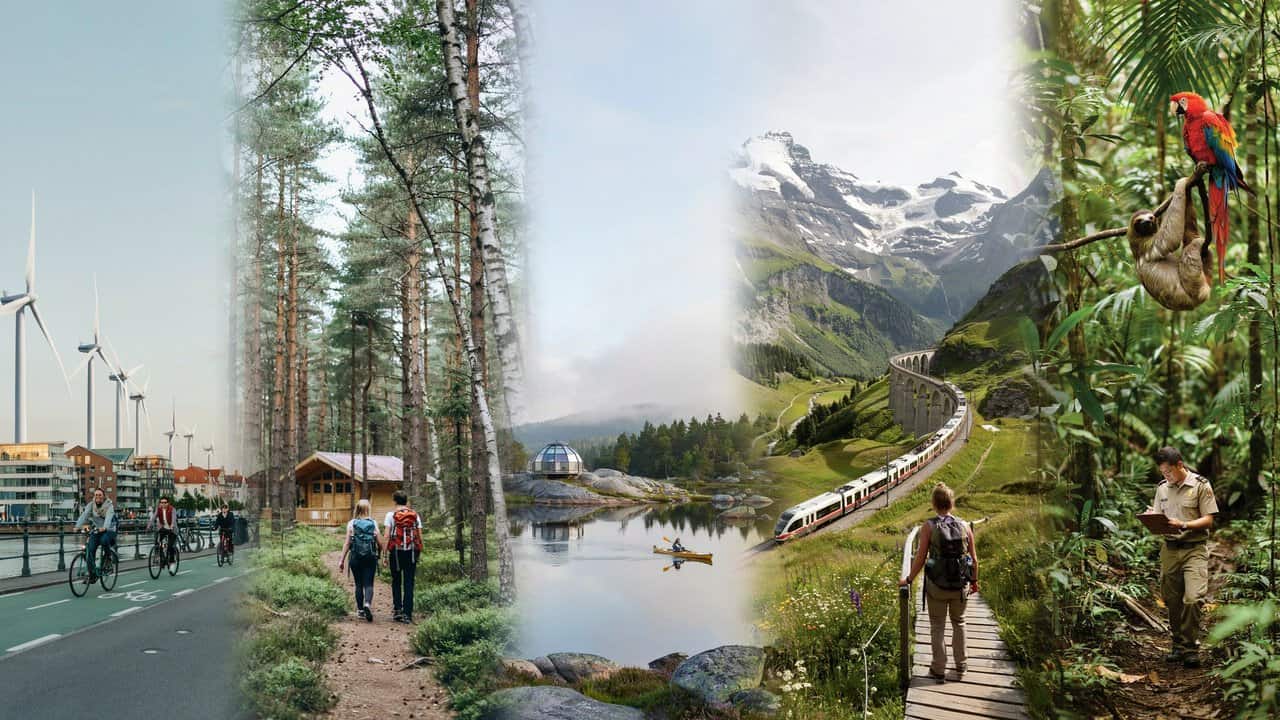
Sustainable travel has become one of the biggest transformations shaping global tourism as travelers increasingly search for destinations that protect nature, reduce emissions and preserve cultural heritage. Countries across Europe and beyond are investing heavily in renewable energy, clean transport, biodiversity protection and responsible tourism models that balance visitor experiences with environmental responsibility.
The world’s greenest nations are proving that tourism growth and environmental protection can exist together. These destinations are not only attracting visitors through breathtaking landscapes and unique experiences but are also creating long-term strategies to protect forests, oceans, wildlife and communities.
From Scandinavian countries leading clean energy innovation to tropical destinations protecting extraordinary ecosystems, these nations demonstrate how environmental policies can influence the future of global tourism.
| Country | Major Sustainability Strength |
|---|---|
| Denmark | Renewable energy and clean technology |
| Sweden | Climate innovation and circular economy |
| Finland | Forest protection and sustainable living |
| Switzerland | Alpine conservation and green transport |
| Costa Rica | Biodiversity protection and eco-tourism |
| Norway | Electric mobility and renewable solutions |
| Iceland | Geothermal energy leadership |
| New Zealand | Nature conservation |
| Germany | Renewable energy transition |
Denmark Drives A Green Energy Revolution Through Wind Power And Climate Innovation
Denmark has become one of the world’s strongest examples of renewable energy development. The country has built a global reputation for wind power expansion, sustainable urban planning and environmentally responsible infrastructure.
Denmark’s capital, Copenhagen, has become a symbol of green city development through cycling networks, energy-efficient buildings and climate-focused urban policies. The country continues to invest in clean technologies designed to reduce carbon emissions and improve environmental resilience.
For travellers, Denmark offers sustainable experiences ranging from cycling through historic cities to exploring protected coastal landscapes and environmentally responsible accommodation options.
Advertising
Advertising
| Sustainability Area | Denmark’s Approach |
|---|---|
| Energy | Large-scale wind power development |
| Transportation | Cycling-friendly cities and cleaner mobility |
| Tourism | Eco-certified hotels and responsible travel |
| Urban planning | Low-carbon city development |
The country’s green transformation shows how modern tourism can operate alongside ambitious climate goals.
Sweden Combines Sustainable Living With Nature Protection And Smart Tourism Growth
Sweden has positioned itself as a leader in environmental innovation through renewable energy, sustainable industries and strong conservation programmes.
Advertising
Advertising
Sweden’s vast forests, lakes and northern wilderness areas attract travelers seeking authentic nature experiences. National parks, outdoor adventures and eco-friendly tourism operators have become important parts of the country’s travel identity.
The nation has also developed strategies focused on reducing waste, improving energy efficiency and encouraging sustainable consumption.
| Features | Swedish Sustainability Model |
|---|---|
| Nature | Protected forests and wilderness areas |
| Cities | Green urban planning |
| Tourism | Responsible outdoor experiences |
| Industry | Cleaner production methods |
Visitors exploring Sweden experience a destination where environmental awareness is deeply connected to everyday life.
Finland Protects Forests And Builds A Future Around Sustainable Nature Experiences
Finland is recognized for its extraordinary forests, lakes and commitment to protecting natural ecosystems.
Advertising
Advertising
The country’s landscapes provide some of Europe’s most impressive outdoor experiences, including national parks, wildlife encounters and wilderness tourism. Finland has focused on balancing economic development with responsible management of natural resources.
Sustainable tourism has become increasingly important as visitors seek slower, nature-based holidays away from crowded destinations.
| Sustainability Focus | Finland’s Strength |
|---|---|
| Forests | Long-term ecosystem management |
| Tourism | Nature-based experiences |
| Energy | Cleaner energy transition |
| Lifestyle | Strong connection with nature |
Finland demonstrates how protecting natural environments can become a foundation for tourism success.
Switzerland Protects Alpine Landscapes Through Green Transport And Conservation
Switzerland is famous for mountain landscapes, crystal-clear lakes and world-class outdoor tourism. However, preserving these natural assets has become a major priority.
The country has invested in efficient public transport, including extensive rail connections that allow travelers to explore destinations with lower environmental impact compared with private vehicles.
Switzerland’s Alpine regions depend heavily on protecting fragile ecosystems affected by climate change.
Advertising
Advertising
| Area | Sustainable Approach |
|---|---|
| Transportation | Rail-focused mobility |
| Mountains | Conservation programmes |
| Tourism | Responsible outdoor activities |
| Cities | Efficient infrastructure |
Visitors can experience iconic landscapes while supporting a tourism model built around environmental preservation.
Costa Rica Turns Biodiversity Protection Into A Global Eco-Tourism Success Story
Costa Rica has become one of the world’s most recognized eco-tourism destinations because of its commitment to protecting forests, wildlife and marine environments.
The country’s national parks and conservation areas attract travelers from around the world who want experiences connected with nature rather than mass tourism.
Costa Rica has demonstrated how environmental protection can support local communities and create sustainable tourism opportunities.
| Conservation Area | Costa Rica’s Achievement |
|---|---|
| Forests | Strong protection initiatives |
| Wildlife | Rich biodiversity conservation |
| Tourism | Nature-focused travel experiences |
| Communities | Sustainable local tourism models |
The country remains an example of how preserving nature can strengthen the tourism economy.
Norway Expands Green Mobility With Electric Innovation And Responsible Tourism
Norway has gained international attention for electric vehicle adoption, renewable energy development and protection of dramatic natural landscapes.
Advertising
Advertising
The country’s fjords, mountains and Arctic regions attract millions of visitors, making sustainable tourism planning essential.
Norway continues to develop cleaner transport solutions while promoting responsible exploration of fragile environments.
Iceland Uses Renewable Energy To Power A Unique Natural Tourism Experience
Iceland stands out because of its extensive use of geothermal and renewable energy resources.
Volcanoes, glaciers, waterfalls and geothermal landscapes make Iceland one of the world’s most distinctive adventure destinations. However, increasing visitor numbers have created pressure on fragile environments.
Sustainable tourism management has become essential to protect these natural wonders.
New Zealand Protects Extraordinary Landscapes Through Conservation-Focused Tourism
New Zealand has built a global reputation for dramatic landscapes, national parks and outdoor adventures.
Advertising
Advertising
The country places strong emphasis on protecting biodiversity and managing tourism impacts in sensitive natural areas.
Visitors are encouraged to follow responsible travel practices that protect landscapes for future generations.
Germany Advances Renewable Energy And Sustainable Urban Development
Germany has invested significantly in renewable energy, efficient transport systems and environmentally conscious city planning.
Green cities, cycling infrastructure and sustainability-focused tourism initiatives have strengthened Germany’s position as an important destination for eco-conscious travellers.
Frequently Asked Questions
1. Which country is considered one of the greenest in the world?
Countries such as Denmark, Sweden, Finland, Switzerland and Costa Rica are frequently recognized for strong environmental policies, renewable energy and conservation efforts.
2. Why are sustainable countries becoming popular tourist destinations?
Travelers increasingly want meaningful experiences that protect nature, support communities and reduce environmental impact.
Advertising
Advertising
3. What makes a destination sustainable?
A sustainable destination usually combines clean energy, conservation, responsible tourism practices, waste reduction and protection of cultural heritage.
4. Can tourism help protect the environment?
Yes. When managed responsibly, tourism can support conservation programmes, local economies and environmental education.
5. Which green destination is best for nature lovers?
Costa Rica, Finland, Norway, Iceland and New Zealand are among the strongest choices for travelers seeking wildlife, forests, mountains and outdoor adventures.
The Future Of Travel Belongs To Countries That Protect Their Natural Treasures
The rise of sustainable tourism is reshaping how travelers choose destinations. The world’s greenest countries are showing that environmental responsibility is no longer separate from tourism success.
By protecting forests, reducing emissions, investing in renewable energy and creating responsible visitor experiences, these nations are building a future where travel can inspire discovery while safeguarding the planet.
For modern travellers, the journey is no longer only about seeing the world. It is about protecting the places that make the world extraordinary.
Advertising
Advertising