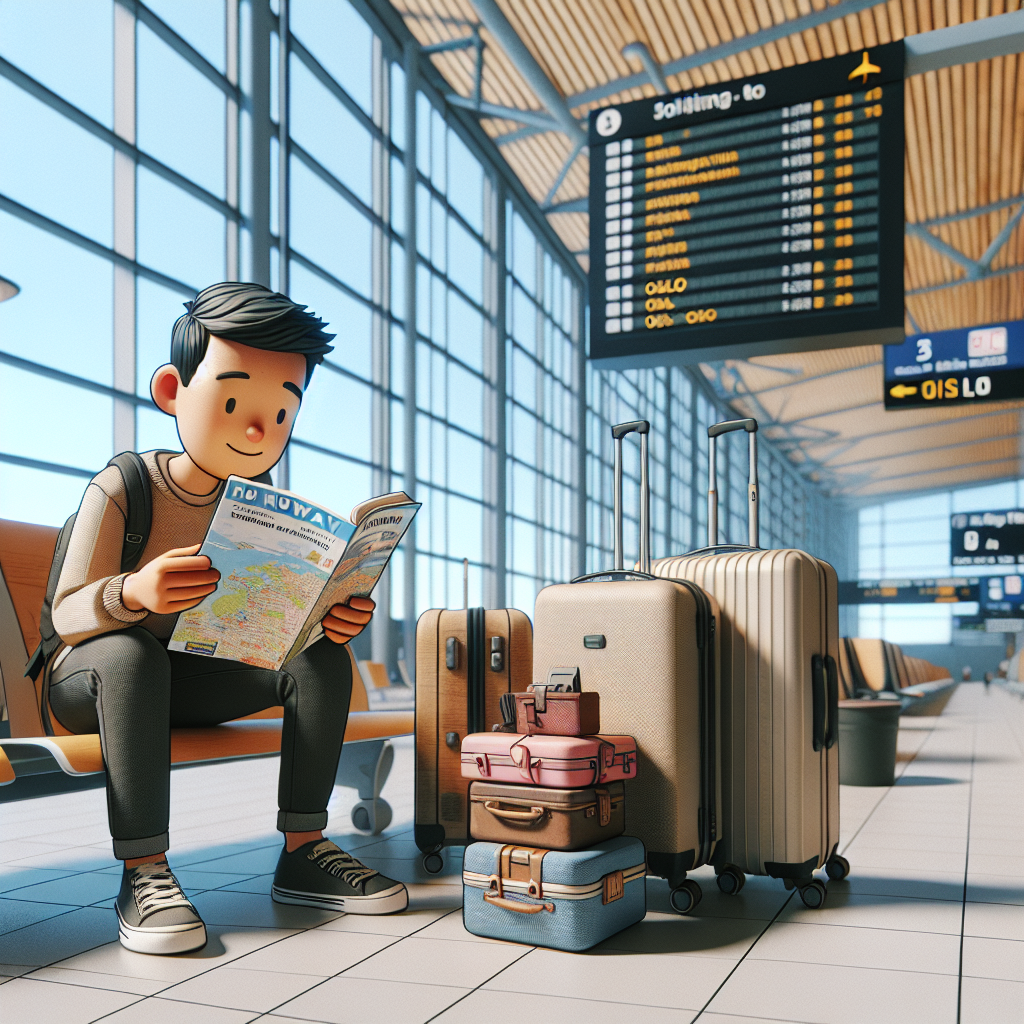
Planning a relocation? Don’t miss this complete checklist to help you plan, prepare and settle into life in Norway.
Moving to Norway is an exciting step, but it is rarely a simple one. Whether you are relocating for work, family, or a lifestyle change, the process combines many of life’s most stressful events into one.
You are not just moving house. You are navigating a new legal system, adapting to a different culture, often learning a new language, and in many cases, starting a new job at the same time.
The more you prepare in advance, the smoother your transition will be. This guide walks through the key steps to take before you leave and in your first weeks after arrival.
Get Your Documentation in Order
Before you leave your home country, gather every important document you might conceivably need. In Norway, administration is efficient, but it is also detail-oriented.
Bring original copies and digital backups of essential paperwork, including your passport, birth certificate, marriage certificate if applicable, and any documents relating to children.
Educational certificates and professional qualifications are especially important. Norwegian employers often expect to see original degree certificates, not just transcripts or CV listings. If you have completed professional training or certifications, bring proof of those too.
Financial records can also be useful, particularly when renting a property or opening a bank account. Recent bank statements and proof of income may be requested.
If your documents are not in English or a Scandinavian language, consider arranging certified translations in advance. While many authorities accept English, translations can speed up certain processes.
For some roles or residence permits, a police clearance certificate may also be required. Check requirements early, as these can take time to obtain.
Understand Immigration and Registration Requirements
Your right to live and work in Norway depends on your nationality and reason for moving.
Citizens of EU and EEA countries can live and work in Norway but must still register with the authorities. Non-EU citizens will typically need a residence permit before arrival.
The main authority responsible is the Norwegian Directorate of Immigration, otherwise known as UDI. Their guidance outlines visa types, documentation requirements, and application processes.
Once you arrive, you will need to register with the police, confirm your address, and begin the process of obtaining a Norwegian identification number.
Register Your Move and Get an ID Number
One of the most important early steps is obtaining a Norwegian identification number. Without it, daily life becomes significantly more difficult.
There are two main types. A D-number is a temporary ID number typically issued for short-term stays or early administrative use. A national identity number is a permanent national identity number assigned to residents.
You will usually deal with the Norwegian Tax Administration during this process, even if you are not yet working.
This number is essential for opening a bank account, receiving a salary, accessing healthcare, and interacting with public services. Delays can happen, so it is wise to begin this process as soon as possible after arrival.
Open a Bank Account and Get Set Up Digitally
Opening a bank account in Norway is not always immediate. Most banks require a Norwegian ID number and proof of address, which can create a frustrating delay for new arrivals.
In the meantime, many people rely on foreign bank cards or international money services.
Once your account is active, gaining access to BankID is a major milestone. This secure digital ID is used to log into banks, sign contracts, and access a wide range of services.
You should also familiarize yourself with Altinn, which is used for official communication with authorities, including tax, employment, and business matters.
Norway is a highly digital society, and much of your interaction with both public and private services will happen online.
Get a Norwegian SIM Card
A Norwegian phone number is more important than many people expect.
It is often required for banking, job applications, deliveries, and communication with authorities. However, setting up a mobile contract can be tricky without a Norwegian ID number.
Prepaid SIM cards are usually the easiest option when you first arrive. Once your paperwork is complete, you can switch to a contract if needed. This is a small step, but it helps unlock many other parts of daily life.
Plan Your Job Search Carefully
If you are not relocating with a job already secured, it is important to approach the job market realistically.
Norway has a highly educated workforce, and English proficiency among locals is very high. This means competition can be strong, particularly for roles that do not require Norwegian.
Certain industries, such as engineering, IT, and energy, may offer more opportunities for English speakers. However, for many roles, especially customer-facing positions, Norwegian is either required or strongly preferred.
Research your industry in advance, tailor your CV to Norwegian expectations, and start networking before you arrive if possible. The NAV website is a useful starting point for job listings and labor market insights.
Understand the Norwegian Tax System
The Norwegian tax system is relatively straightforward once you understand the basics, but it can be confusing at first.
Tax is deducted at source from your salary, based on a tax card issued by the Norwegian Tax Administration. This card determines how much tax your employer should withhold.
It is important to check your tax card early, especially in your first year, to avoid overpaying or underpaying.
Most people submit a tax return annually, but much of the process is automated. Still, it is your responsibility to ensure the information is correct.
Prepare Your Finances for a High-Cost Country
Norway consistently ranks among the most expensive countries in the world. Even if you expect this, the reality can still be surprising.
You will need enough savings to cover several months of living costs, particularly if you are job hunting. Rental deposits are typically equivalent to three months’ rent, in addition to the first month’s payment.
Beyond housing, everyday expenses such as groceries, transport, and eating out are significantly higher than in many countries.
As a new arrival, you should not expect immediate access to credit. Building a financial history takes time.
The Real Cost of Daily Life
Beyond the headline cost of living, it is the smaller details that often surprise newcomers.
Alcohol is heavily taxed and sold under restrictions, with limited availability outside licensed shops. Eating out is expensive enough that many people reserve it for special occasions.
Services such as haircuts, repairs, and home maintenance can cost far more than expected. Even everyday habits like buying coffee or takeaway food add up quickly.
At the same time, salaries are generally higher, and many aspects of life, such as healthcare and education, are heavily subsidised.
Think About Housing Before You Arrive
Finding somewhere to live can be one of the biggest challenges, especially in cities like Oslo, Bergen, and Trondheim.
The rental market moves quickly, and many landlords prefer tenants who already have a Norwegian ID number and employment contract.
If possible, arrange temporary accommodation for your first weeks. This allows you to attend viewings in person, which is often expected.
Be prepared for competition and high prices. Having documentation ready, including proof of income and references, can improve your chances.
Transport and Driving in Norway
Transport in Norway varies significantly depending on where you live. In cities, public transport is reliable and widely used. In rural areas, a car is often essential.
If you plan to drive, check whether your license is valid in Norway and whether it needs to be exchanged after a certain period. The rules vary depending on your country of origin.
Owning a car in Norway is expensive due to taxes, insurance, tolls, and fuel costs, so it is worth considering your needs carefully.
Plan Ahead for Healthcare and Medication
If you rely on prescription medication, careful planning is essential.
It may take time before you are registered in the Norwegian healthcare system and assigned a general practitioner.
Speak to your doctor before leaving and arrange to bring enough medication to cover the transition period. Keep it in original packaging and bring supporting documentation.
If you have ongoing health conditions, written summaries from your doctor can help Norwegian healthcare professionals provide appropriate care.
Enrolling Children in School or Kindergarten
If you are moving with children, understanding the education system is crucial.
Children have the right to attend school in Norway, and education is free at the primary and lower secondary level.
For younger children, kindergarten places are in high demand, and application deadlines can be strict. It is important to contact the local municipality as early as possible.
The system is well-regarded, but planning ahead is key to securing a place.
Start Learning Norwegian Early
Although English is widely spoken, learning Norwegian will significantly improve your experience. It opens up more job opportunities, makes daily life easier, and helps you integrate socially.
Starting before you move is highly recommended. Apps like Duolingo and Memrise are useful for beginners, while content from NRK can help you get used to real-world language.
Progress will accelerate once you are immersed, but having a basic foundation makes a big difference.
Social Integration and Making Friends
One of the biggest challenges for newcomers is building a social life.
Norwegians can seem reserved, and friendships often take time to develop. Social circles are frequently established early in life, which can make it harder to break into as an adult.
The key is consistency. Joining clubs, attending regular activities, volunteering, or taking language classes can help you meet people over time.
Friendships in Norway may develop slowly, but they are often deep and long-lasting.
Winter, Darkness and Seasonal Adjustment
Norway’s seasons can have a significant impact on daily life. In winter, daylight hours are short, especially in the north. This can affect mood, energy levels, and overall well-being.
Preparing for this is important. Maintaining a routine, spending time outdoors during daylight hours, and staying socially active can all help.
On the other hand, summer brings long days and a very different rhythm of life, something many newcomers quickly learn to appreciate.
Prepare Mentally for the Move
Practical preparation is only part of the story. Moving to Norway also requires mental adjustment. Cultural differences, language barriers, and the absence of a familiar support network can all take time to navigate.
If you are moving as a trailing partner, this adjustment can be particularly challenging. Building structure into your days, pursuing hobbies, and actively seeking social connections can make a significant difference.
Being prepared for both the opportunities and the challenges will help you settle more quickly.
Moving to Norway is a major life step, but it is one that can be incredibly rewarding. With the right preparation, you can reduce stress, avoid common pitfalls, and give yourself the best possible start.