Given this backdrop, golf course manager Emily Casey probably expected her fellow humans to be sympathetic when she woke up one morning to discover that javelinas had caused “tens of thousands” of dollars’ worth of damage to the pristine greenways at Seven Canyons Golf Club in Sedona, Arizona. “What should be one of the most beautiful golf courses in the country is being destroyed by herds of javelina,” she wrote on the social media site, X.
Instead, she got roasted. “Sorry that you put your golf course in the natural habitat for javelinas. Looks awful green for a desert, where does the water come from?” wrote one early respondent. Other like-minded commentators quickly piled on: “Now it’s a 2,000-hole golf course. Rewilding is unstoppable,” wrote X user Jonathan Franklin. Before long, the hashtag #teamjavelina began to trend on social media in support of the animals, who were just trying to make a living. (See a video of javelina mourning, a human-like emotion.)
Johnson agrees with #teamjavelina’s underlying sentiment.
“Two me, it ice a political act of resistance,” he says. “It’s through their mere existence that they’re resisting this imposition of anthropogenic development.”
#TeamRobinHood
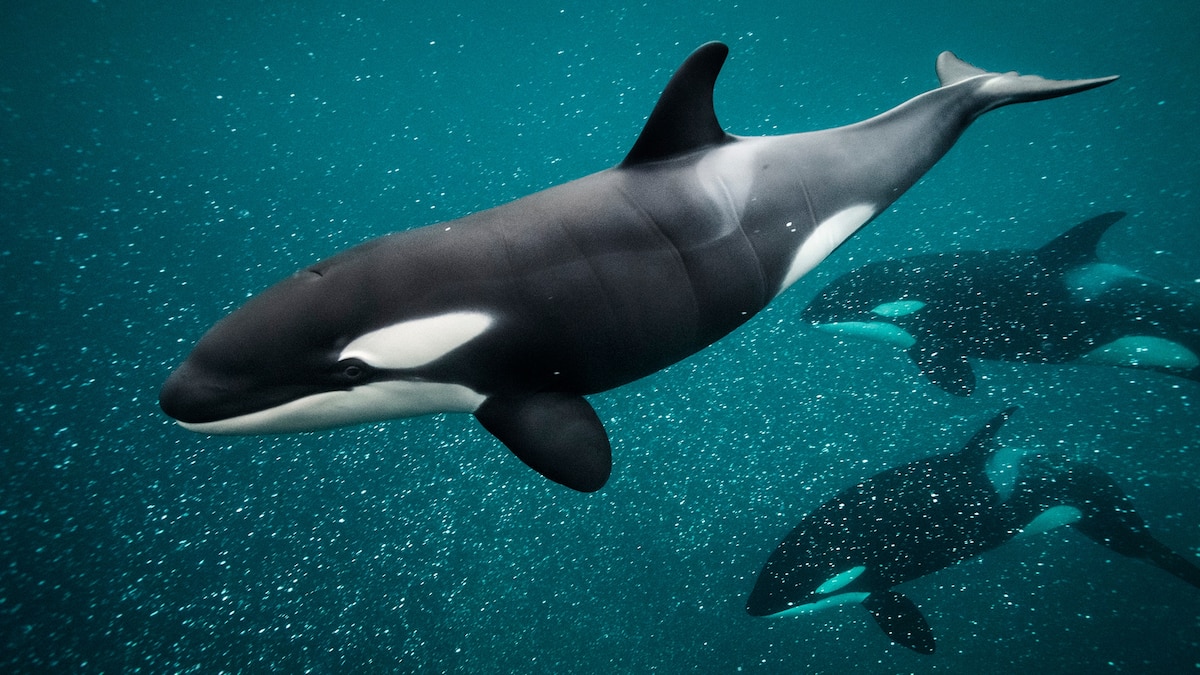
The behavior of the ship-sinking orcas is more open to interpretation—and some really do believe that there’s an ocean-wide orca uprising, says Shields.
“People are asking on a regular basis, ‘Is it safe to go on the water here and go whale watching?'” Shields says.
When news of the ship-sinking orcas hit social media, many people quickly interpreted it as retribution and sided with the whales. Memes featuring orcas saying things like, “Eat the Rich,” and “Orcanize,” quickly propagated from the internet to the material world, in the form of T-shirts and bumper stickers.
Some people even imagined that different species were teaming up. “Orcas have taken the sea. Javelinas have taken the land. Who shall seize the skies?” wrote a user on the game forum, ResetEra.
The originators of the #teamorca memes (probably intentionally) misinterpreted whale behavior to channel and diffuse two modern anxieties: environmental destruction and wealth. “The fact that they are damaging rich people’s yachts—there’s a Robin Hood aspect to it that I think is really appealing to people,” Shields says.